Flyarchitecturenet Inside the Home envisions an integrated system where autonomous micro-drones and calibrated sensors map internal conditions to optimize energy use, climate control, and ambiance. Small, ceiling-woven patrols gather airflow, light, and security data, feeding a centralized yet discreet control layer. The promise is efficiency and seamless comfort, but clashes loom over privacy, interoperability, and standard protocols. The stakes demand careful balance, leaving the next steps unavoidably consequential and ripe for scrutiny.
What Is Flyarchitecturenet Inside the Home
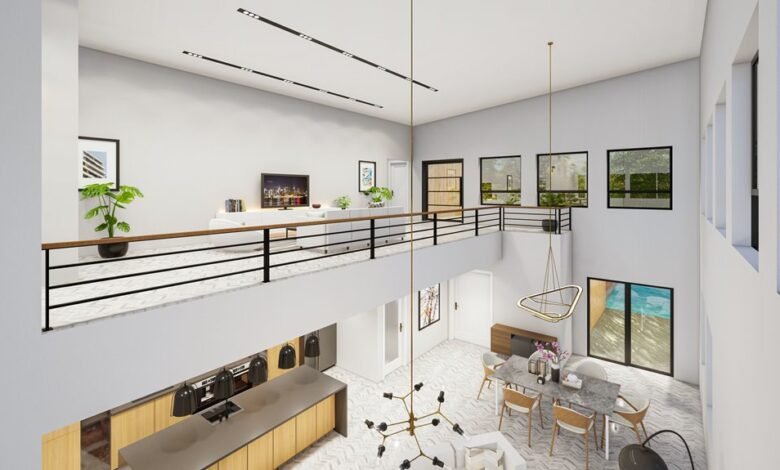
FlyarchitectureNet Inside the Home refers to an integrated approach that combines advanced architectural design methodologies with automated, intelligent systems to manage and optimize residential spaces. It positions environments as responsive ecosystems, where drones interior navigate ceilings and walls while calibrated sensors placement informs airflow, lighting, and security.
Critical assessment notes potential privacy risks, integration challenges, and the need for standardized protocols. Freedom relies on transparent, auditable systems.
How Tiny Drones and Sensors Shape Smart Living
Tiny drones and miniature sensors are redefining how environments respond to inhabitant needs, enabling seamless monitoring and targeted adjustments without constant human intervention. The approach emphasizes autonomous data collection, edge processing, and adaptive control loops. Benefits include responsive airflow, climate stabilization, and resource efficiency. Critics warn of privacy, security, and overreliance, urging robust standards and transparent governance within intelligent homes.
Real-World Setups: Automated Lighting, Climate, and Airflow
Real-world deployments of an intelligent home hinge on how automated lighting, climate control, and airflow systems operate in concert with miniature sensing networks. flyarchitecturenet in home reveals synchronized decision logic, where automated lighting modulates occupancy cues; tiny drones map air currents; sensor networks coordinate HVAC and ventilation, optimizing comfort, energy use, and resilience without sacrificing user freedom or autonomy.
Security, Privacy, and Comfort in Minimalist Skins
Is security, privacy, and comfort achievable in minimalist skins without eroding user agency or perceptual simplicity? The analysis evaluates privacy metrics, noise management, security, privacy, and comfort in minimalist skins. It notes that lightweight interfaces must balance transparent data handling with predictable haptics and acoustics. Effective designs compartmentalize signals, reduce telemetry, and preserve agency while enhancing ambient resilience and perceptual clarity.
Frequently Asked Questions
How Affordable Is Flyarchitecturenet for an Average Household?
The system suggests affordability varies by household, but generally offers moderate costs with long-term savings. It supports Affordable Housing initiatives and Energy Savings, balancing upfront investments against utility reductions, while maintaining architectural flexibility for households seeking independent, freedom-centered living.
Can I Retrofit Existing Smart Devices With Flyarchitecturenet?
Retrofitting depends on device ecosystems; compatibility challenges loom and retrofit constraints constrain options. Existing smart devices may retrofit under limited circumstances, but interoperability gaps persist, demanding careful assessment, firmware access, and standardized protocols before proceeding, lest ambitions run aground.
What Maintenance Skills Are Required for Home Drones and Sensors?
Indoor drones require routine maintenance skills including firmware updates, hardware inspection, and battery care; sensor calibration ensures accuracy for home sensors and navigational reliability. Critical analysis notes that ongoing maintenance supports freedom, safety, and robust, uninterrupted operation.
How Does the System Affect Energy Consumption Long-Term?
Energy efficiency improves gradually as the system adapts, lowering long-term energy use; the approach yields cost savings through optimized operation. It implies ongoing maintenance, careful calibration, and prudent load management to sustain steady performance and measurable efficiency gains.
Are There Any Legal Considerations for Indoor Drone Use?
Indoor drone privacy and liability considerations show that legal frameworks address data capture, nuisance, trespass, and safety standards; operators must comply with privacy laws, ensure limits on monitoring, and obtain consent where appropriate, balancing innovation with autonomy and accountability.
Conclusion
In the quiet hum of a home, flyarchitecturenet weaves a lattice of sensors and micro-drones that map breath and light with clinical grace. The imagery of drifting guardians and silent couriers evokes a future where climate, security, and ambiance respond with clockwork precision. Yet beneath the sheen lies a testing ground for privacy, interoperability, and consent. When done with transparent data handling and minimalist interfaces, the system becomes a trustworthy partner—clear, capable, and unobtrusively human-centric.