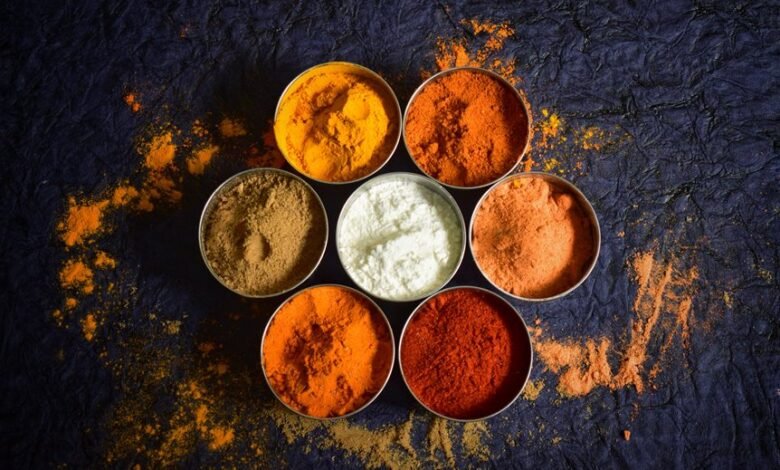
Food Additives Tondafuto refers to substances added to foods to preserve taste, texture, and appearance while extending shelf life. They support processing efficiency and safety, yet their use requires scrutiny through regulation and labeling. Consumers can benefit from understanding how additives function and how to interpret ingredient lists. This awareness helps identify cleaner options and reduce reliance on highly processed products, offering a foundation for informed choices that warrant further discussion.
What Are Food Additives and Why They’re Used
Food additives are substances added to foods to preserve flavor or texture, improve appearance, or enhance nutritional value. Additives serve purposes such as extending shelf life, maintaining consistency, and enabling processing.
The benefits overview highlights safety, efficiency, and consumer choice, while the regulatory overview explains oversight by authorities, testing standards, labeling requirements, and risk assessment to ensure public health and informed decisions about food products.
Reading Labels Like a Pro: Common Additive Clues
Reading labels reveals how additives function within products, enabling informed choices about what is consumed. The section outlines common clues, from ingredient order to label claims, guiding readers toward transparent sourcing and minimal processing. It emphasizes clean label terminology and distinguishes additive flavorings from natural flavors, aiding consistent interpretation while maintaining an evidence-based, freedom-oriented, third-person perspective.
Health Effects: Separating Science From Hype
Health claims about additives vary widely in credibility, and distinguishing robust science from hype requires careful evaluation of study design, sample size, and replication across independent investigations.
The discussion identifies balanced evidence, noting that effects of additives on gut health emerge inconsistently across populations and conditions.
It also highlights regulatory loopholes in labeling that can obscure potential risks while underscoring the need for transparent, rigorous research.
Cleaner Choices: How to Choose and Cook With Less Additives
Recent discussions of additive health effects provide a basis for practical action: consumers seeking to minimize exposure can focus on informed choices and cooking strategies that reduce reliance on processed ingredients.
Cleaner choices emerge from selecting minimally processed foods, reading labels, and prioritizing whole ingredients.
Mindful cooking emphasizes seasoning with herbs and spices, preparing meals from scratch, and balancing flavors with cleaner ingredients.
Frequently Asked Questions
Do Additives Affect Taste or Texture Over Time?
Additives can influence both taste interaction and texture aging, though effects vary by compound and matrix. Over time, flavor compounds may evolve, and textural changes can occur due to moisture, fat separation, or polymerization, shaping sensory perceptions progressively.
Are Natural Additives Always Safer Than Synthetic Ones?
Natural safety is not absolute; neither natural nor synthetic additives are universally safer. The synthetic difference lies in controllable testing and consistency, while natural sources may vary. Risk hinges on dose, exposure, and evidence-based evaluation.
How Do Additives Impact Children Differently?
Additives can affect children differently due to developing physiology; kids exposure may influence behavior, tolerance, and health outcomes. Labeling transparency helps caregivers assess risks, track additives, and make informed choices in a system that values freedom and evidence-based guidance.
Can You Detect Additives by Smell or Sight Alone?
A single decayed apple illustrates limits: Detecting additives by smell is unreliable; Visual cues for additives are often absent. The evidence shows no consistent sensory detection, requiring chemical testing or labeling for accurate identification, especially for freedom-seeking, informed consumers.
What Regulations Govern International Food Additive Use?
Regulatory frameworks govern international food additive use, with standards set by bodies like Codex Alimentarius and regional authorities. International harmonization aims to align safety assessments, labeling, and permissible levels, reducing barriers while preserving consumer protection and evidence-based practices.
Conclusion
Food additives, when used and regulated properly, serve to preserve safety, consistency, and quality in foods. By reading labels and understanding common codes, consumers can distinguish essential additives from unnecessary ones and make informed choices. While research supports many additives’ safety, ongoing evaluation remains crucial to address evolving evidence and individual sensitivities. Ethical, mindful cooking and prioritizing fresh ingredients can reduce reliance on additives. Like a well-tuned recipe, balanced choices keep meals reliable and enjoyable.