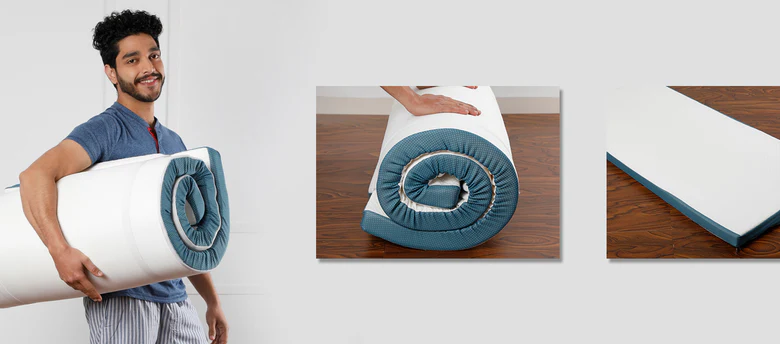
You wake up with a stiff neck again. Your lower back aches before you even get out of bed. The mattress you bought a few years ago doesn’t feel as comfortable anymore, but replacing it seems like an expensive hassle you’re not ready to deal with. Sound familiar?
This is where a memory foam bed topper steps in as a practical middle ground. It’s not a complete mattress overhaul, just a layer that sits on top of what you already have. Think of it as giving your old mattress a second chance. The bed topper memory foam option has become popular because it addresses comfort issues without the commitment of buying an entirely new bed.
But does it actually work? Can a few inches of foam really change how you sleep? Let’s break it down.
What Makes Memory Foam Different
Memory foam responds to your body heat and weight. When you lie down, it softens and moulds around your shape. This creates a cradling effect that distributes pressure more evenly across your body. Traditional mattresses push back against you with the same force everywhere. Memory foam adapts.
The material was originally developed for aircraft seats, which tells you something about its pressure-relieving qualities. Pilots needed cushioning that could handle long hours of sitting. That same principle applies when you’re lying down for seven or eight hours each night.
Your spine has natural curves. A firm, flat surface doesn’t support those curves well. Memory foam fills the gaps between your body and the mattress surface. This keeps your spine aligned rather than forcing it into awkward positions all night.
The Pressure Point Problem
Most sleep discomfort comes from pressure points. These are spots where your body weight concentrates on a small area. Your shoulders and hips bear most of your weight when you sleep on your side. Your lower back takes the load when you’re on your back.
A memory foam topper spreads this weight out. Instead of five or six high-pressure spots, you get support across your entire body. This is why people often mention feeling less tossing and turning after adding a topper. You’re not constantly shifting to find a comfortable position.
Think about how you sleep on a hard floor versus a cushioned surface. The difference is obvious within minutes. A worn-out mattress sits somewhere in between, firm enough to cause discomfort but not supportive enough to help. Adding memory foam brings back that cushioned feeling without going soft.
Does Thickness Actually Matter
Bed toppers come in different thicknesses, usually ranging from two to four inches. Thicker doesn’t always mean better. It depends on what you’re trying to fix.
If your mattress is just slightly firm, a two-inch topper might be enough. You’ll get some contouring without dramatically changing the feel of your bed. For older mattresses with visible sagging or lumps, you might need three or four inches to create an even surface.
There’s a balance here. Too thin and you’ll still feel the problems underneath. Too thick and you might sink in more than you’d like. Your body weight also plays a role. Heavier sleepers compress foam more, so they often need thicker toppers to get the same effect.
Temperature and Breathability Concerns
One common complaint about memory foam is heat retention. The dense structure traps body heat, which can make you feel warm during the night. This is especially relevant in warmer climates or for people who naturally sleep hot.
Modern memory foam toppers often include cooling gel infusions or ventilation channels to help with airflow. Some use open-cell foam structures that allow heat to escape more easily. These features don’t turn memory foam into a cooling material, but they do reduce the warming effect.
If you live in a hot area, look for toppers that specifically mention temperature regulation. Pairing your topper with breathable cotton sheets also helps. Synthetic materials trap more heat, which compounds the problem.
Maintenance and Longevity
A memory foam topper isn’t a permanent fix. The foam will compress over time, especially in areas where you sleep most often. Quality matters here. Denser foam holds up better and returns to its original shape more consistently.
Most toppers come with removable, washable covers. This makes cleaning easier and protects the foam from moisture and dust. Memory foam itself shouldn’t be washed or exposed to direct sunlight for long periods. It can break down the material.
Rotating your topper every few months helps distribute wear evenly. You can’t flip it like a mattress since only one side is designed for sleeping. But turning it head to foot extends its useful life.
Who Benefits Most
People with back pain often see the biggest improvement. The orthopaedic support from memory foam helps maintain proper spinal alignment. This reduces strain on muscles and ligaments that would otherwise work overtime to compensate for poor sleeping posture.
Side sleepers also benefit because memory foam cushions the shoulders and hips without pushing back too hard. Stomach sleepers might find memory foam less helpful since they need firmer support to keep their hips from sinking too much.
If you share a bed, memory foam absorbs motion. When your partner moves or gets up, you’re less likely to feel it. This motion isolation feature is one reason why memory foam became popular in the first place.
Making the Transition
The first few nights on a memory foam topper might feel strange. Your body needs time to adjust to the different support pattern. Some people love it immediately. Others need a week or two before they notice the real benefits.
Your old aches might shift or change location initially. This happens because your body is adjusting to better alignment. Muscles that were compensating for poor support start to relax. Give it time before deciding whether it’s working.
If you wake up feeling too warm, adjust your room temperature or bedding. Small changes can make a big difference in how comfortable you feel overall.
Worth the Investment
A memory foam topper costs less than a new mattress but can extend the life of your current one by several years. It’s a practical solution if your budget doesn’t allow for a complete bedroom upgrade right now.
You’re not locked into one choice forever. If the topper doesn’t work out, you can remove it or try a different thickness. That flexibility makes it a lower-risk option compared to buying a whole new bed and hoping it works out.
Better sleep affects everything else in your life. Your mood, focus, and physical health all improve when you’re getting proper rest. A memory foam topper might seem like a small change, but the cumulative effect of better sleep adds up quickly.
Your current mattress might still have years left in it. Adding a topper breathes new life into it without the waste of throwing away something that’s structurally sound but just not comfortable anymore.