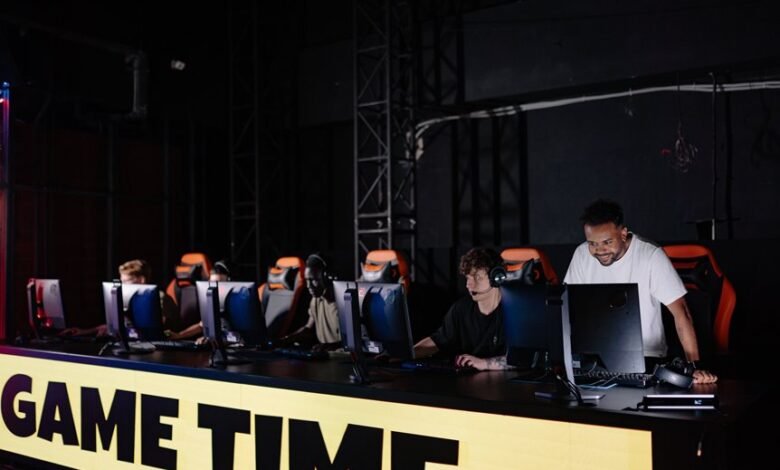
Tracking time spent on LoL yields a concrete baseline for engagement and opportunity costs. A practical approach measures session length, queue times, match load, and break intervals to reveal patterns. The goal is a data-driven view that informs pacing, rest needs, and focus. Metrics point to when fatigue grows and decisions falter. The discussion continues as they translate numbers into routines and healthier habits that sustain progress without burnout.
Why Track Time Spent on LoL? A Practical Rationale
Tracking time spent on LoL provides a concrete baseline for understanding player engagement and opportunity costs. Time tracking enables precise measurement of session patterns, peak periods, and churn indicators. This data informs decisions on balancing content, pacing, and rewards. Gaming analytics support transparent assessment of ROI for campaigns and updates, while empowering players to manage autonomy within competition, collaboration, and personal goals.
How Much Time Do You Really Spend per Session
Players typically spend a variable amount per LoL session, influenced by match length, queue type, and session goals. Time tracking shows mid-session drift from planned lengths, while actual session length fluctuates with breaks and focus shifts. Data suggests most players optimize around 60–90 minutes, balancing progress and fatigue. Structured logs reinforce disciplined play, promoting intentional, measurable time management for longer engagement.
Decode the Patterns: Queue Times, Match Load, and Breaks
Queue times, match load, and breaks form a threefold pattern that directly shapes session pacing: queue duration reflects matchmaking dynamics, match load indicates in-game intensity and duration variability, and interceding breaks modulate overall engagement.
The pattern informs time tracking practices and stress management, highlighting how data-driven pacing supports broader freedom to allocate focus, regulate tempo, and sustain sustainable play.
Turn Data Into Healthier Habits: Tools, Setups, and Next Steps
To turn data into healthier habits, the section outlines practical tools, setups, and concrete next steps that translate gameplay metrics into actionable routines. Time budgeting prioritizes focused sessions and rest, while habit triggers cue transitions from play to offline reflects.
Structured dashboards monitor progress, and iterative adjustments refine routines, ensuring freedom through measurable, sustainable changes rather than overwhelming, opaque constraints.
Frequently Asked Questions
Do These Metrics Affect My Ranking or XP Gain?
The metrics can influence ranking and XP gain, but not deterministically. Two word idea1: data signals. Two word idea2: system weights. In practice, frequency, consistency, and performance correlate with progression, while deviations or outliers yield diminished or adjusted outcomes. Freedom-seeking players should optimize quality.
How Accurate Is In-Game Timer vs. Actual Play Time?
Coincidence frames precision: how accurate is the in-game timer compared to real play time? Data shows modest discrepancies; inaccuracy impact varies by session, input lag, and activity type, but overall alignment remains sufficient for general tracking and freedom-oriented analysis.
Can Time Tracking Influence My Motivation or Burnout?
Time tracking can influence motivation and burnout, with data showing increased awareness often boosting motivation but risking stress if thresholds are ignored. Structured monitoring supports autonomy and freedom while requiring boundaries to avoid counterproductive motivation burnout.
Should I Track Only Ranked, or All Lol Sessions?
Tracking decisions should include both unranked and ranked sessions to inform patterns in win rate, session length, and streaks vs logs. A balanced dataset reveals motivation risks, guiding freedom-loving players toward measured focus and sustainable practice.
What’s a Healthy Daily Cap for Lol Minutes?
A healthy daily cap for lol minutes is flexible, but practical limits prefer short bursts and occasional long sessions limited to weekends. Short bursts support consistent focus; long sessions should be rare, monitored, and balanced with rest and other activities.
Conclusion
The analysis concludes that tracking LoL time yields actionable insights into engagement and opportunity costs. By measuring session length, queue times, and break frequency, players can identify peaks and fatigue points with precision. This data fosters healthier pacing and informed adjustments to play schedules. As with a stopwatch guiding a runner, structured metrics illuminate patterns, enabling autonomous, sustainable routines. Implementing dashboards and thresholds translates numbers into practical decisions, improving balance between focus, rest, and performance.