Most property owners don’t realise the financial impact of skipping routine plumbing checks until something goes wrong. What starts as minor scale buildup or slow drainage can spiral into thousands of pounds in emergency repairs. Annual maintenance isn’t just about preventing disasters; it’s about protecting your investment from gradual deterioration that sneaks up silently.
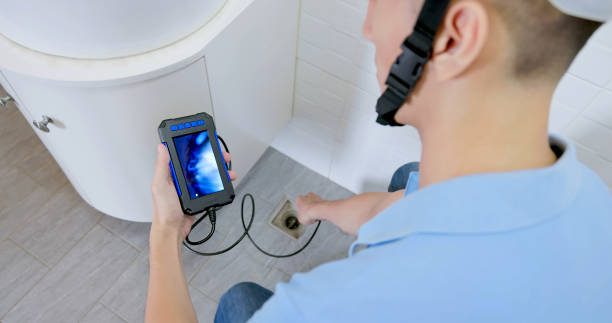
Regular inspections catch problems before they become catastrophic failures. A professional North Bay Plumbing service provider can identify early warning signs that untrained eyes miss entirely. These routine check-ups reveal hidden issues like corroding pipe joints, sediment accumulation, and pressure irregularities that slowly degrade your system’s performance. Think of it as an insurance policy that actually prevents claims.
The Real Price of Neglect
Postponing maintenance might save a small service fee today, but it guarantees larger expenses tomorrow. Water heaters collecting sediment work harder and consume more energy delivering less hot water. Pipes developing scale buildup restrict flow, forcing pumps and appliances to strain against increased resistance. These efficiency losses compound monthly, adding pounds to utility bills.
Scale Buildup Creates Compounding Problems: Hard water deposits form gradually inside pipes and fixtures, narrowing passages and reducing water pressure throughout your property. This mineral accumulation doesn’t just restrict flow; it creates rough surfaces where bacteria can colonise and additional deposits accelerate. The longer scale remains untreated, the more aggressive cleaning methods become necessary, potentially damaging pipes that would have responded to gentle preventative treatments.
Sediment Damage Shortens Equipment Lifespan: Water heaters and boilers accumulate sediment at alarming rates when left unmaintained. This settled material insulates heating elements from water, forcing them to overheat and fail prematurely. The tank itself corrodes faster where sediment sits, creating weak spots that eventually leak. What should be a fifteen-year appliance becomes a seven-year replacement cycle, doubling your capital costs.
Performance Degradation You Don’t Notice
Gradual Efficiency Decline Goes Undetected: System efficiency declines so gradually that occupants adapt without recognising the losses. Showers that once provided strong pressure now trickle weakly, but the change happened over eighteen months of incremental deterioration. Toilets require double flushing more frequently, wasting water with each use. These subtle performance drops represent real costs that annual maintenance would eliminate completely.
Pressure Loss Affects Every Fixture: Reduced water pressure impacts everything from dishwashers to washing machines, forcing longer cycle times and incomplete cleaning. Irrigation systems cover less area effectively, requiring manual watering to supplement automated schedules. Commercial kitchens struggle with sanitation when spray nozzles lack adequate force. The cumulative time waste across a year becomes substantial, representing lost productivity.
Temperature Inconsistencies Signal Deeper Issues: When hot water arrives slowly or temperatures fluctuate during use, most people simply adjust their expectations rather than investigating the cause. These symptoms often indicate failing mixing valves or sediment-blocked heat exchangers that reduce efficiency by thirty percent or more. A technician could resolve the issue during routine maintenance, but ignored symptoms lead to complete component failure.
Common Warning Signs Ignored
Recognising Early Indicators Prevents Disasters: Small changes in your plumbing system often signal larger problems developing beneath the surface. Paying attention to these subtle warnings can save thousands in emergency repairs. Most homeowners dismiss these signs as normal wear, but they represent opportunities for intervention before situations become critical and expensive.
- Unusual noises from pipes like banging, whistling, or gurgling indicate air pockets, pressure problems, or partial blockages developing.
- Slow drainage across multiple fixtures suggests main line issues rather than isolated clogs that require professional assessment.
- Discoloured water appearing rust-coloured or cloudy points to pipe corrosion or sediment disturbance needing immediate attention.
- Fluctuating water pressure during normal usage reveals supply line restrictions or failing pressure regulation components.
- Higher utility bills without increased usage demonstrate efficiency losses from scale buildup or hidden leaks consuming water continuously.
Hidden Water Damage Costs
Invisible Leaks Create Expensive Problems: Small leaks you cannot see cause damage that insurance companies love to deny as gradual deterioration rather than sudden accidents. A dripping pipe joint inside a wall cavity promotes mould growth, rots timber framing, and damages electrical wiring before anyone notices moisture stains. Annual inspections with moisture metres and thermal imaging catch these invisible problems early.
Secondary Damage Multiplies Repair Costs: The secondary costs of water damage extend beyond immediate repairs. Mould remediation requires specialist contractors and temporary relocation in severe cases. Property values drop when disclosure requirements force sellers to reveal past water damage. Insurance premiums increase after claims, and some insurers refuse coverage altogether for properties with documented moisture problems.
The Maintenance-as-Insurance Model
Preventative Care Delivers Financial Protection: Viewing annual plumbing checks as insurance rather than expenses changes the entire cost-benefit calculation. You wouldn’t skip car servicing to save money, then act surprised when the engine seizes. Plumbing systems deserve the same preventative approach because failures cause far more disruption and expense than automotive problems.
Warranty Protection Requires Documentation: Professional maintenance also extends warranties on major appliances and components. Many manufacturers require documented annual servicing to honour guarantees beyond the first year. Skipping these checks voids coverage, leaving you responsible for replacement costs that warranty protection would have covered. The maintenance fee essentially purchases continued warranty protection whilst simultaneously preventing failures.
Compliance and Safety Considerations
Legal Obligations Protect Everyone: Rental properties and commercial premises face legal obligations regarding plumbing maintenance that owner-occupiers sometimes ignore at their own peril. Landlords must ensure safe, functional systems to meet habitability standards and avoid liability for tenant health issues. Businesses need compliant backflow prevention devices and regular testing to protect public water supplies.
Hidden Health Hazards Develop Silently: Safety risks from neglected plumbing include scalding from malfunctioning temperature controls, carbon monoxide from improperly venting water heaters, and Legionella bacteria in stagnant water systems. These hazards develop silently over time, creating liability exposure that far exceeds any maintenance savings. Professional annual inspections identify and eliminate these risks before they harm occupants.
Conclusion
Annual plumbing maintenance transforms from optional expense to essential investment when you calculate the true costs of neglect. The money you spend on preventative inspections pales compared to emergency repairs, efficiency losses, water damage, and safety hazards that develop in unmaintained systems. Don’t wait for a catastrophic failure to prove the value of routine care. Schedule your comprehensive plumbing assessment today and protect your property from hidden costs.